Signed in as:
filler@godaddy.com
At Precision Sports Therapy Inc., we use a variety of manual therapy techniques and individualized rehabilitation strategies to help address pain, stiffness, movement restrictions and sports injuries.
Every person is different. Your treatment is selected according to your assessment findings, symptoms, movement limitations and goals. Rather than relying on one technique, we consider how your joints, muscles, connective tissues and nervous system work together to influence movement and function.
Our approach combines hands-on treatment, movement retraining and individualized rehabilitation to help you return to the activities you enjoy.

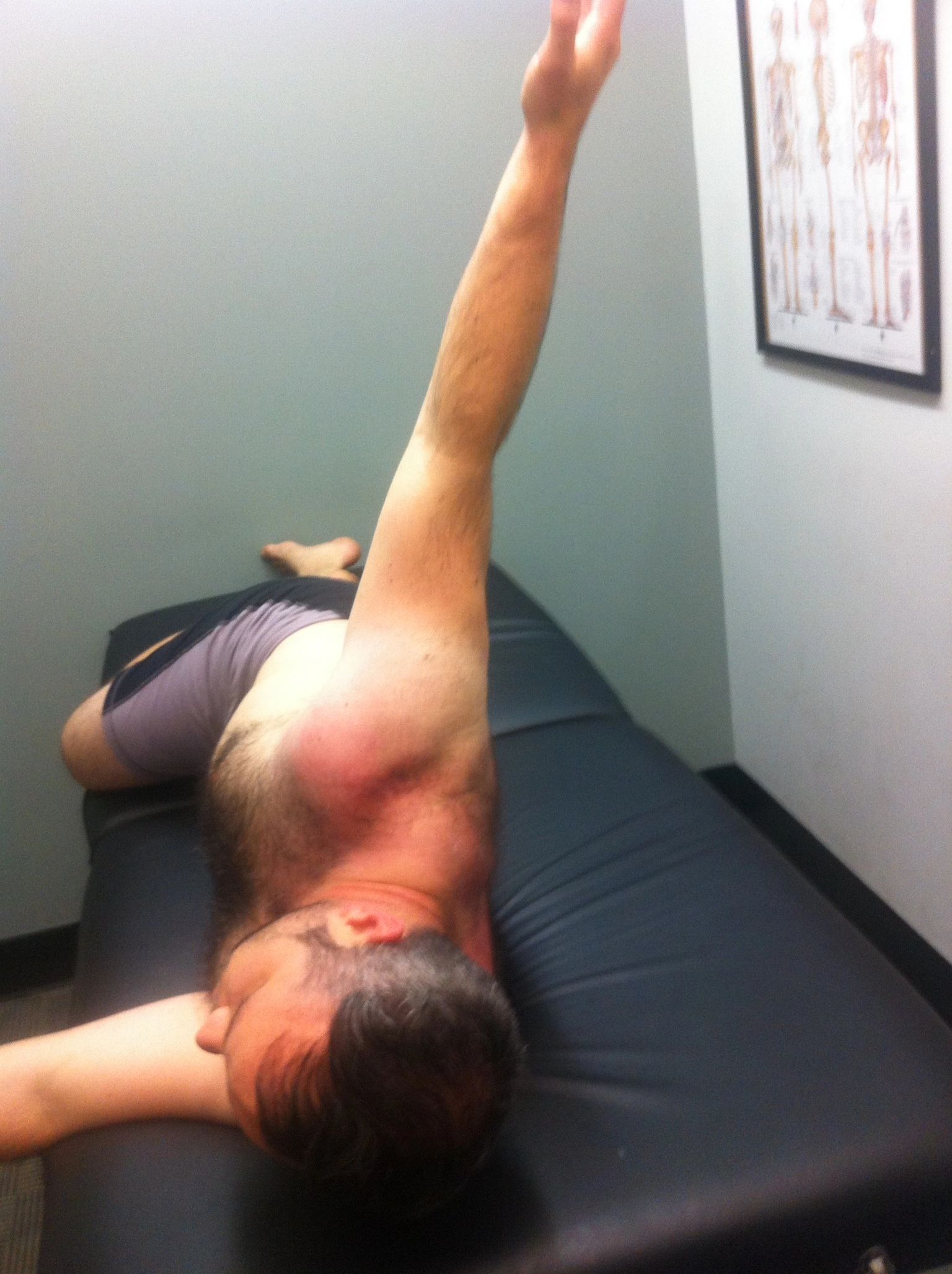
Mobilization with movement combines a sustained joint glide or correction applied by the therapist with an active movement performed by the patient.
The technique is commonly used when a joint has restricted or painful movement. The therapist applies an appropriate manual force while you perform a specific movement, intending to improve movement and reduce symptoms.
MWM may be considered for selected shoulder, hip, knee, ankle, wrist and spinal movement restrictions.
Personalized service tailored to your unique needs.

2. Joint Mobilization:
Joints need to glide, roll and rotate appropriately to allow comfortable movement. Injury, stiffness or changes in joint mobility can sometimes make everyday movements more difficult.
Joint mobilization involves the therapist applying controlled manual forces to a joint to address selected movement restrictions or symptoms.
Treatment is tailored to the joint involved, your condition and your tolerance. Joint mobilization may be combined with active movement and strengthening exercises to help maintain improvements in function.Personalized service tailored to your unique needs.

Muscle energy technique is a hands-on approach in which you actively contract specific muscles against a carefully controlled resistance provided by the therapist.
The technique may be used to address selected movement restrictions, muscle-related discomfort and limitations in mobility.
Muscle energy techniques are adapted to your abilities and may be followed by targeted exercises to help reinforce improved movement and control.
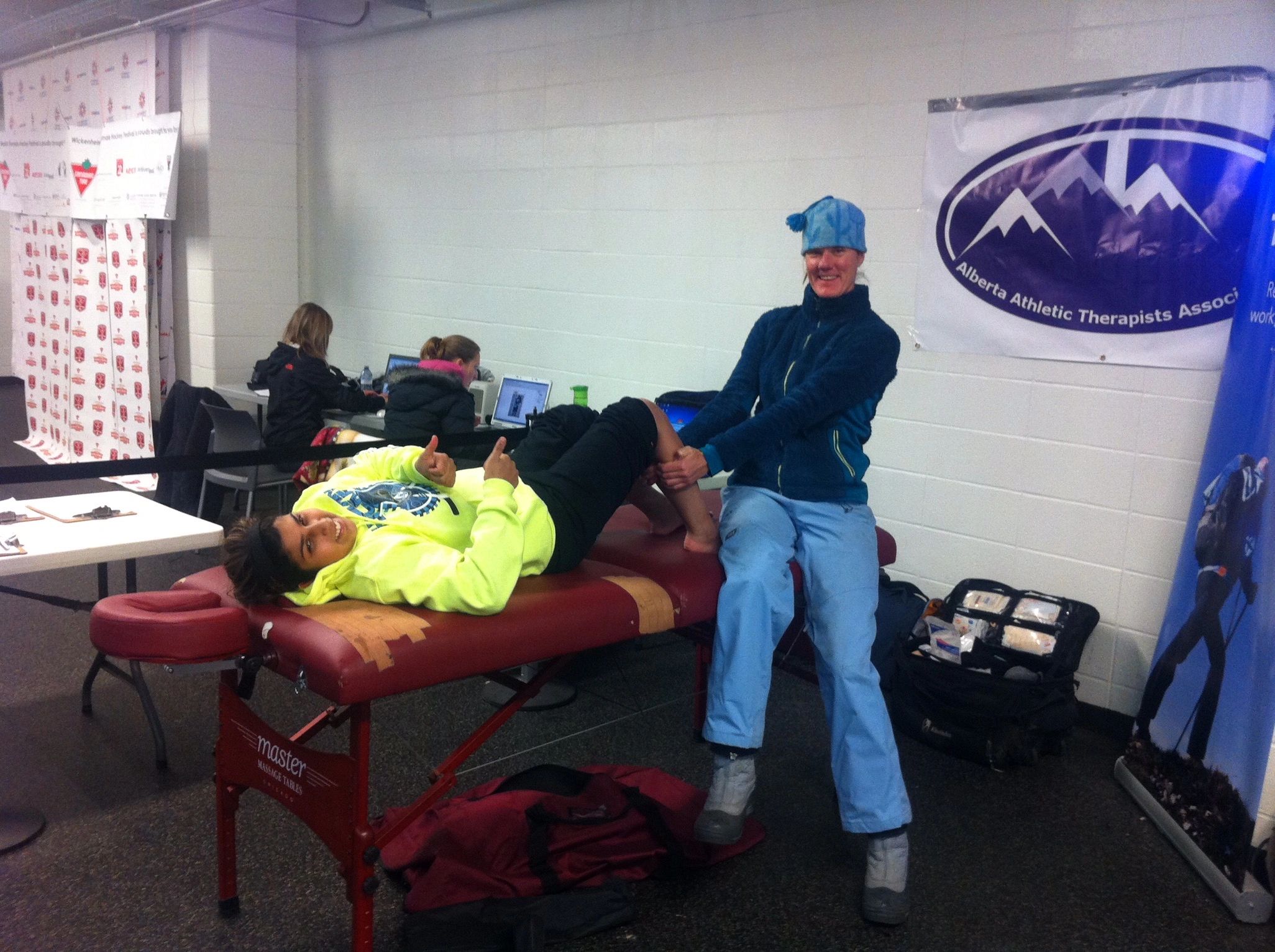
Active Release Techniques (ART) is a specialized, hands-on soft-tissue treatment that combines targeted pressure with specific movements performed by the patient.
The technique focuses on the movement and interaction of muscles, tendons, fascia and other soft tissues. When an injury or repetitive activity causes pain or restrictions, targeted soft-tissue treatment may help improve comfort and mobility.
At Precision Sports Therapy Inc., soft-tissue treatment is selected according to your assessment findings, symptoms and functional goals.
What conditions may ART help address?
ART may be considered for selected soft-tissue conditions associated with repetitive strain, overuse or injury, including:
Treatment suitability depends on the underlying condition and the practitioner's training. ART is not appropriate for every injury.
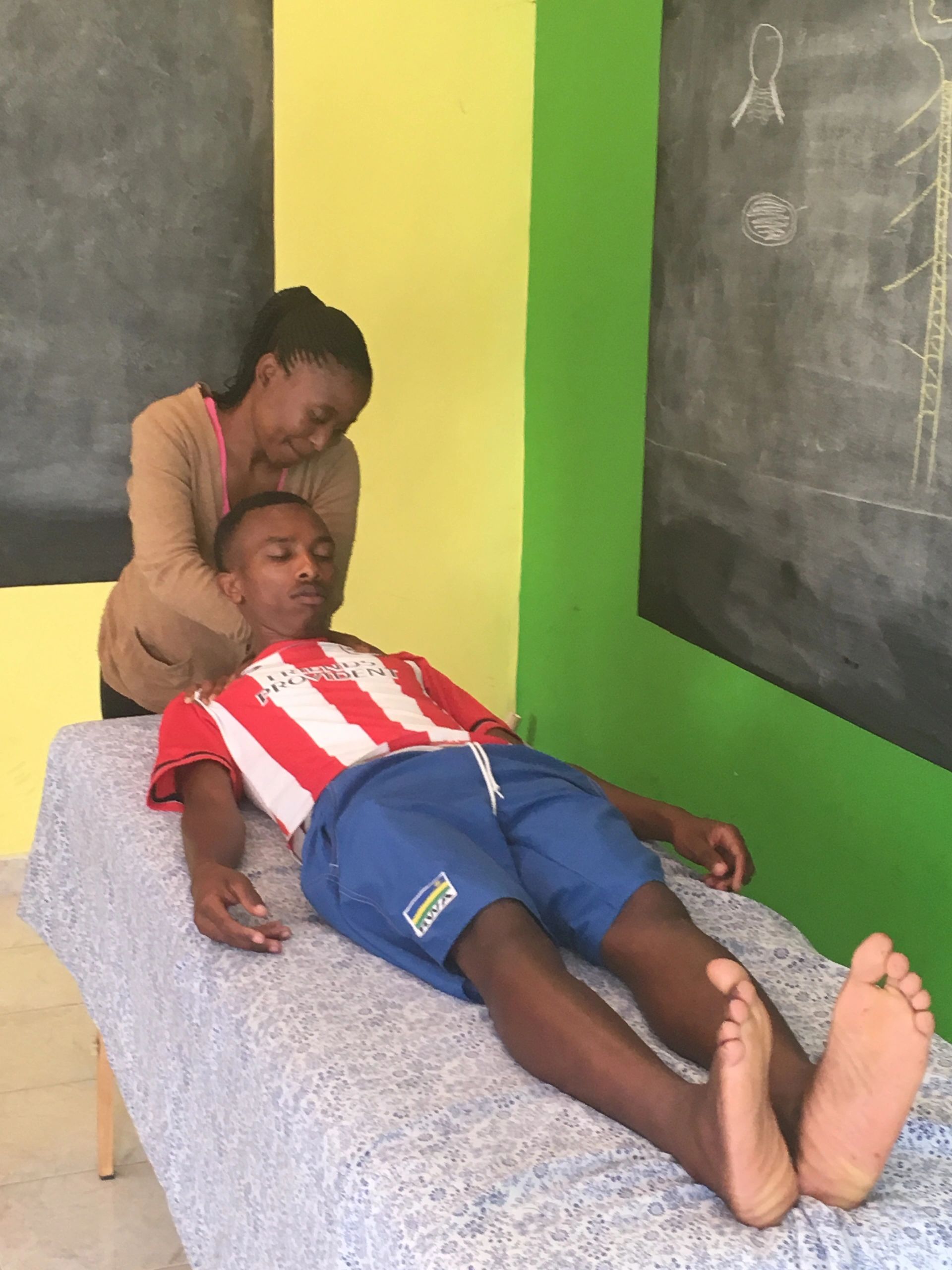
Fascia is connective tissue that surrounds and connects muscles and other structures throughout the body.
Myofascial release involves applying sustained, controlled manual pressure to selected tissues to improve comfort and movement.
It may be incorporated into treatment for muscle tightness, restricted mobility and certain musculoskeletal pain conditions.

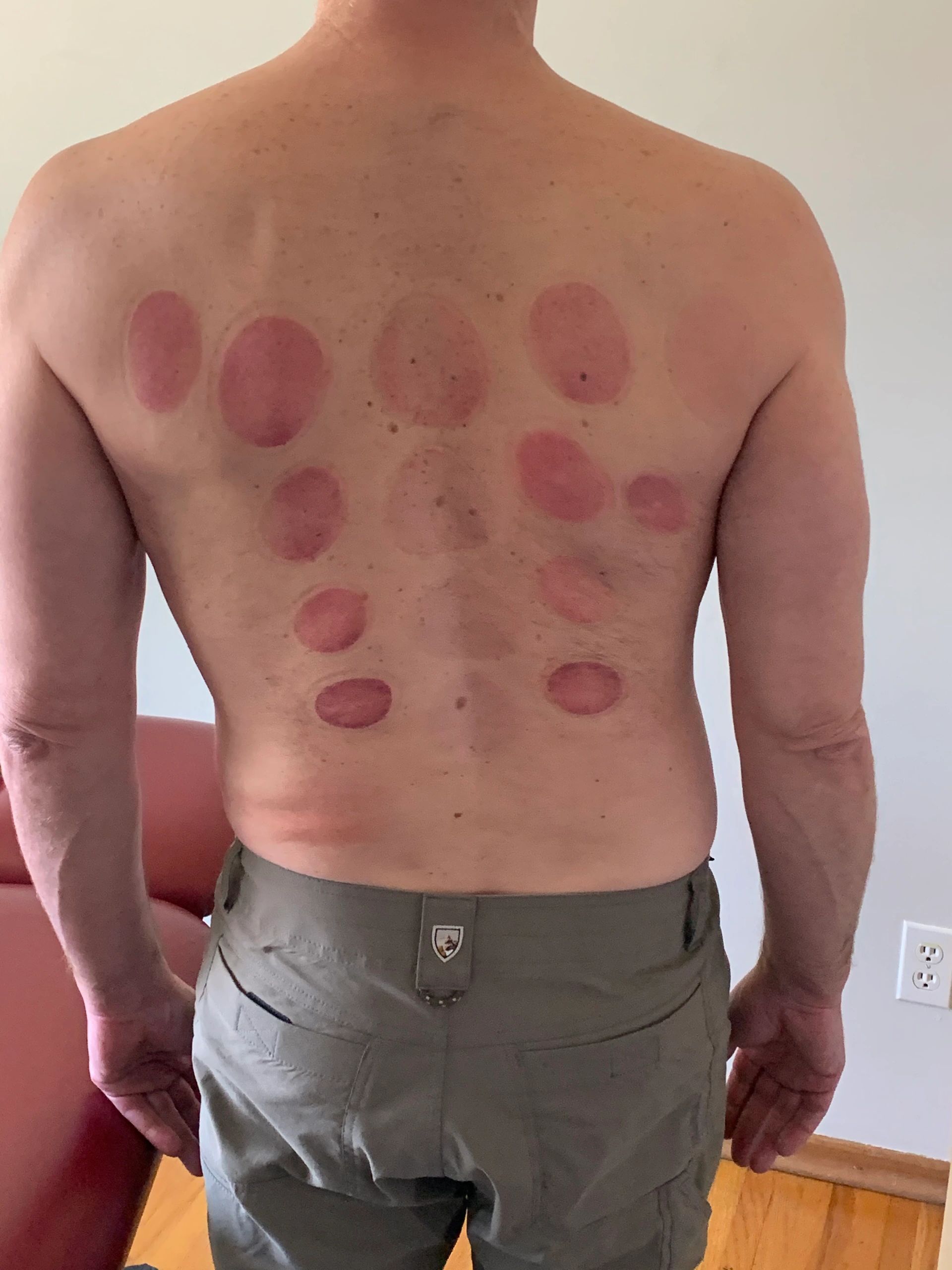
Cupping uses suction cups placed against the skin to create negative pressure over the treatment area.
Depending on the approach, cups may remain stationary or be moved across the skin during treatment.
Myofascial cupping incorporates movement of the cups to apply suction while the therapist works over selected tissues.
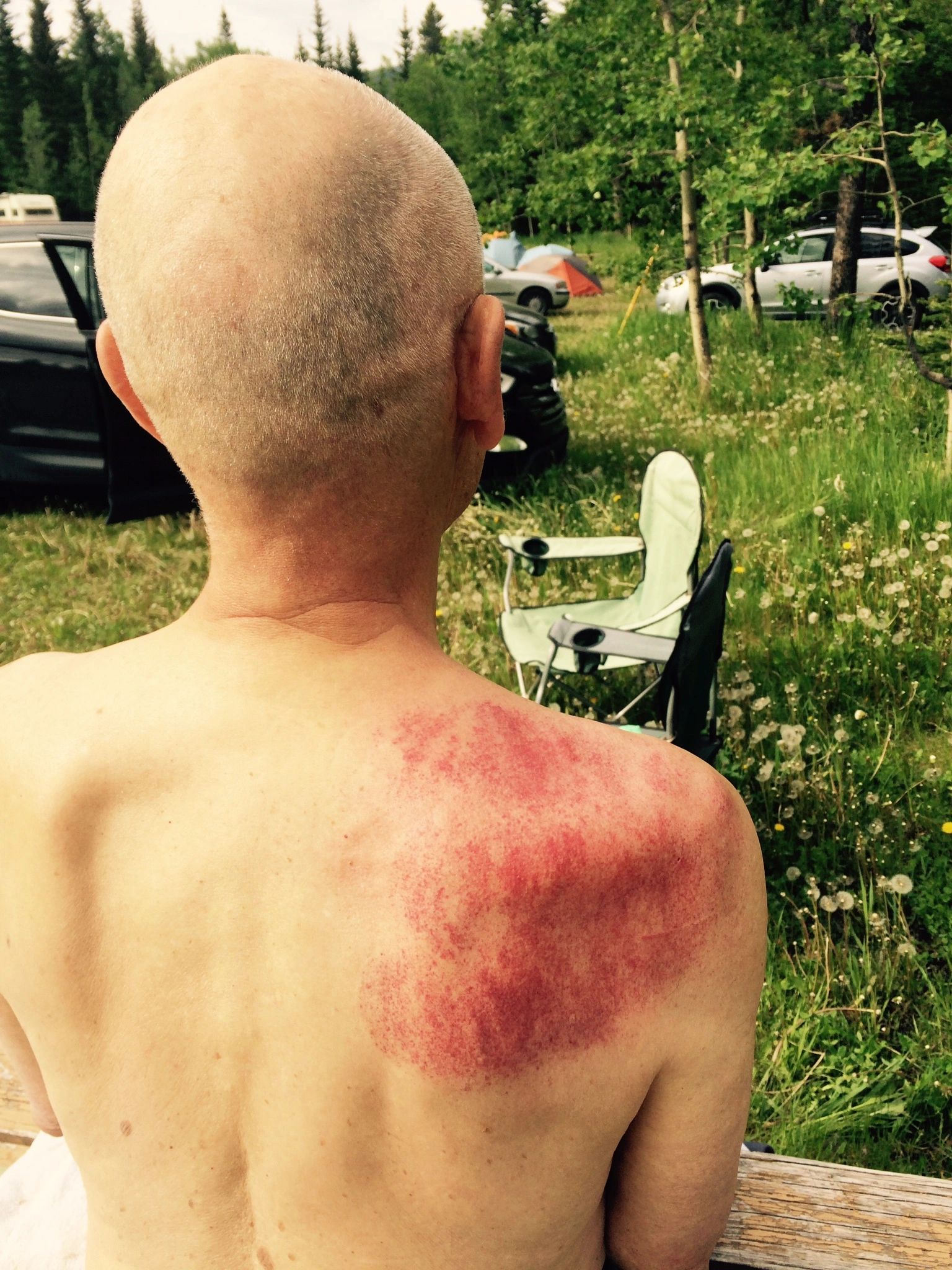
Cupping may provide symptom relief for some; however, temporary circular marks, skin discolouration, tenderness or bruising can occur.
Gua Sha is a traditional technique that uses a smooth-edged tool to apply repeated strokes over the skin.
In musculoskeletal practice, it may be used over selected soft tissues as an adjunct to treatment for discomfort or restricted movement.
Temporary redness, tenderness and bruising can occur.
The technique is adapted to the treatment area, skin condition and individual tolerance.
Visceral manipulation is a specialized manual approach that focuses on the mobility of internal organs and their surrounding connective tissues.
Practitioners who use this approach assess whether selected areas of tissue mobility may be relevant to a person's symptoms and movement restrictions.
Organs are suspended by pressure, and if that pressure gets disrupted i.e. a car accident or playing a contact sport, the fascia surrounding the organ gets pulled, and this can compress blood vessels, nerves and the lymphatic system.
Certain organs i.e. liver have an association with a dull ache in the shoulder and lack of flexibility to touch your toes. If the kidney is involved, then there will be a dull ache on each side of the back.
When considered, it is used selectively as an adjunct to a broader assessment and care plan.

Nerves move through and alongside surrounding muscles, fascia and other tissues as we bend, rotate and move our limbs. Nerves come out of the spine through foramina, and the nerves can be impacted if there has been trauma i.e. whiplash, concussions.
Neural manipulation is a specialized manual approach intended to address selected restrictions in the movement of nerves relative to their surrounding tissues.
It may be considered when an assessment suggests that neural mobility is relevant to a person's symptoms or movement limitations.
This approach is different from simply stretching a nerve. Treatment requires careful assessment and must be appropriate to the person's condition, particularly when symptoms include numbness, tingling, weakness or radiating pain.
Persistent or progressive neurological symptoms may require medical assessment.Personalized service tailored to your unique needs.

Individualized exercises help develop mobility, strength, coordination, balance and movement control.
Your rehabilitation program is progressed according to your symptoms, current capacity and goals, whether you are returning to daily activities, exercise or competitive sport.
Movement Assessment and corrective exercise helps identify relevant limitations in mobility, strength, balance or functional control.
Exercises are then selected to address those limitations and help you perform the movements required for your daily activities and sport.